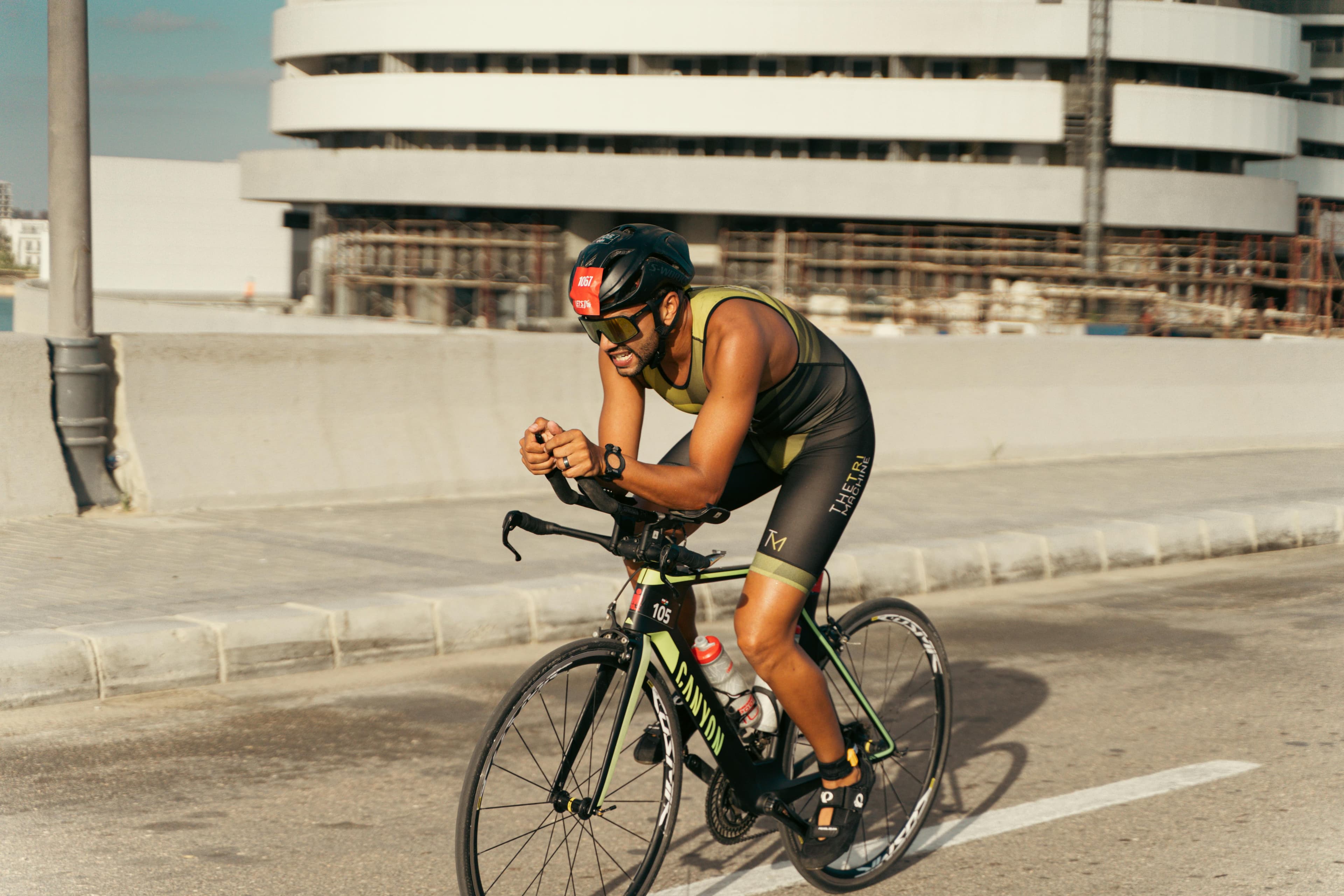
Cycling in hot weather is challenging. Cycling in hot, humid weather can be something else entirely.
When temperatures rise, your body works harder to stay cool. In humid conditions, sweat doesn’t evaporate as efficiently, making cooling less effective and increasing thermal strain. For some riders, this means finishing a ride drenched but otherwise fine. For heavier sweaters, it can mean fatigue, headaches, dizziness, noticeable performance decline, or in some cases muscle cramping.
Hydration matters, but replacing fluid alone is only part of the equation. Electrolyte management—particularly sodium—can make an important difference during longer or hotter rides.
Why you sweat so much in the heat
Sweating is your body’s cooling system.
As your core temperature rises, sweat is released onto the skin. When it evaporates, heat is removed from the body.
In dry conditions, this works relatively well.
In humid conditions, the air is already saturated with moisture, so evaporation slows down. That means:
- you may sweat more
- cooling becomes less effective
- heart rate can rise faster
- dehydration risk increases
Some riders naturally sweat far more than others, even at the same effort.
This is influenced by:
- genetics
- heat acclimation
- body size
- exercise intensity
- clothing
- humidity
- individual sweat composition
If you regularly finish rides with salt marks on your kit, stinging eyes, or significant body weight loss, you may be losing relatively high amounts of sodium through sweat.
Water alone is not always enough
One of the most common mistakes riders make is replacing heavy sweat losses with plain water only.
Sweat contains:
- water
- sodium
- chloride
- potassium
- smaller amounts of magnesium and calcium
Sodium is particularly important because it helps regulate:
- fluid balance
- nerve signalling
- muscle contraction
- blood volume
For shorter or lower-intensity rides, water may be perfectly adequate.
But during longer rides, hotter conditions, or for heavier sweaters, replacing only water may not be enough to support hydration and performance.
Signs your hydration strategy may need adjusting:
- persistent cramping
- bloating despite drinking
- headaches during or after rides
- dizziness
- nausea
- unusual fatigue
- heavy salt residue on skin or clothing
Understanding sodium loss
One of the challenges with hydration advice is that sodium losses vary dramatically between individuals.
Some riders lose relatively modest amounts. Others lose significantly more.
This means there is no universal hydration formula that works for everyone.
Factors that influence sodium loss include:
- genetics
- heat adaptation
- exercise intensity
- environmental conditions
- total sweat volume
Rather than chasing exact numbers, the goal is to understand your own tendencies and adjust accordingly.
How to estimate your sweat rate
A simple practical method is to weigh yourself before and after a ride in similar conditions.
Track:
- starting body weight
- finishing body weight
- how much fluid you drank
- whether you used the bathroom during the ride
Example:
- Pre-ride weight: 80.0kg
- Post-ride weight: 78.8kg
- Fluids consumed: 750ml
Estimated sweat loss: 1.2kg body mass loss + 750ml fluid consumed = approximately 1.95 litres over the session
This gives you a practical baseline for planning hydration.
Electrolyte replacement and sodium
Electrolyte needs vary significantly from rider to rider.
Some cyclists may do well with a standard electrolyte drink. Others—particularly heavy or salty sweaters in hot climates—may benefit from higher sodium intake through hydration products, nutrition, or salty foods.
Rather than aiming for a fixed universal target, consider:
- ride duration
- temperature and humidity
- how heavily you sweat
- visible salt loss
- your past experiences with fatigue, headaches, cramping, or dehydration symptoms
If your current hydration plan consistently leaves you feeling depleted, it may be worth experimenting with a higher sodium strategy during training rides.
Don’t forget carbohydrates
Hydration and fueling work together.
Sometimes what feels like dehydration is actually inadequate energy intake.
For longer rides, both fluid and carbohydrate intake matter.
A rider replacing sodium perfectly but under-fuelling carbohydrates may still experience a major performance drop.
Pre-hydration matters
Starting already dehydrated makes hot rides much harder.
Before hotter rides:
- drink consistently through the day
- avoid leaving hydration until the last minute
- consider including electrolytes before longer sessions if conditions are extreme or you know you sweat heavily
Heat acclimation makes a difference
Your body adapts surprisingly well to repeated heat exposure.
Over time, common adaptations include:
- earlier onset of sweating
- improved cooling efficiency
- lower heart rate response
- in some cases reduced sodium concentration in sweat
The first hot rides of the season often feel disproportionately difficult because these adaptations are still developing.
Recognising warning signs
Heat stress can escalate quickly.
Pay attention to:
- dizziness
- nausea
- headache
- unusual fatigue
- chills or goosebumps despite heat
- confusion
- significantly elevated heart rate
- feeling unable to cool down
These are signs to slow down, cool off, rehydrate, and reassess.
Common mistakes
Drinking only when thirsty
Thirst is useful, but it may not always keep pace with prolonged or high-intensity sweat losses.
Assuming everyone needs the same hydration plan
Your riding partner’s strategy may not suit your physiology.
Overdoing plain water
More fluid is not automatically better if electrolyte replacement is ignored.
Choosing low-sodium hydration products
Not all electrolyte products contain meaningful sodium levels.
Testing new strategies on important rides
Experiment during training, not on event day.
Final thoughts
Managing sweat loss in hot or humid conditions is highly individual.
What works for one rider may be completely wrong for another.
The goal is not to perfectly replace every milligram of sodium or every drop of sweat. It’s to develop a practical strategy that matches your body, your environment, and the type of riding you do.
Pay attention to patterns, test your approach in training, and adjust based on experience.
Sources and further reading
The guidance in this article is based on established sports medicine and exercise physiology research. Individual hydration and electrolyte needs can vary significantly depending on physiology, environment, and exercise intensity.
Authoritative sources
American College of Sports Medicine (ACSM) – Exercise and fluid replacement
Comprehensive position stand on hydration, electrolyte replacement, dehydration, and endurance performance.
American College of Sports Medicine (ACSM)
Key publication:
Sawka MN, Burke LM, Eichner ER, et al. American College of Sports Medicine position stand: Exercise and fluid replacement.
National Athletic Trainers’ Association (NATA) – Exertional heat illness guidance
Evidence-based guidance on recognising and managing heat stress, heat illness, and hydration risks during exercise.
National Athletic Trainers’ Association (NATA)
CDC – Heat stress and heat illness
Clear public health guidance on heat-related illness symptoms, risk factors, and prevention.
CDC Heat Stress Guidance
Peer-reviewed research
Sweating Rate and Sweat Sodium Concentration in Athletes: A Review of Methodology and Intra/Interindividual Variability
Baker LB, Wolfe AS. Research demonstrating substantial variation in sweat sodium concentrations between athletes.
Dehydration and endurance performance
Cheuvront SN, Kenefick RW. Dehydration: physiology, assessment, and performance effects.
Exercise-associated hyponatremia
Hew-Butler T et al. Consensus statement on overhydration and low blood sodium risk during endurance exercise.
Heat acclimation adaptations
Périard JD et al. Research on physiological adaptation to exercising in hot environments.
Exercise-associated muscle cramping
Schwellnus MP. Cause of exercise associated muscle cramps (EAMC)--altered neuromuscular control, dehydration or electrolyte depletion?
This article provides general educational information only and is not medical advice. Hydration and electrolyte requirements vary between individuals. Riders with medical conditions or a history of heat illness should seek professional guidance.