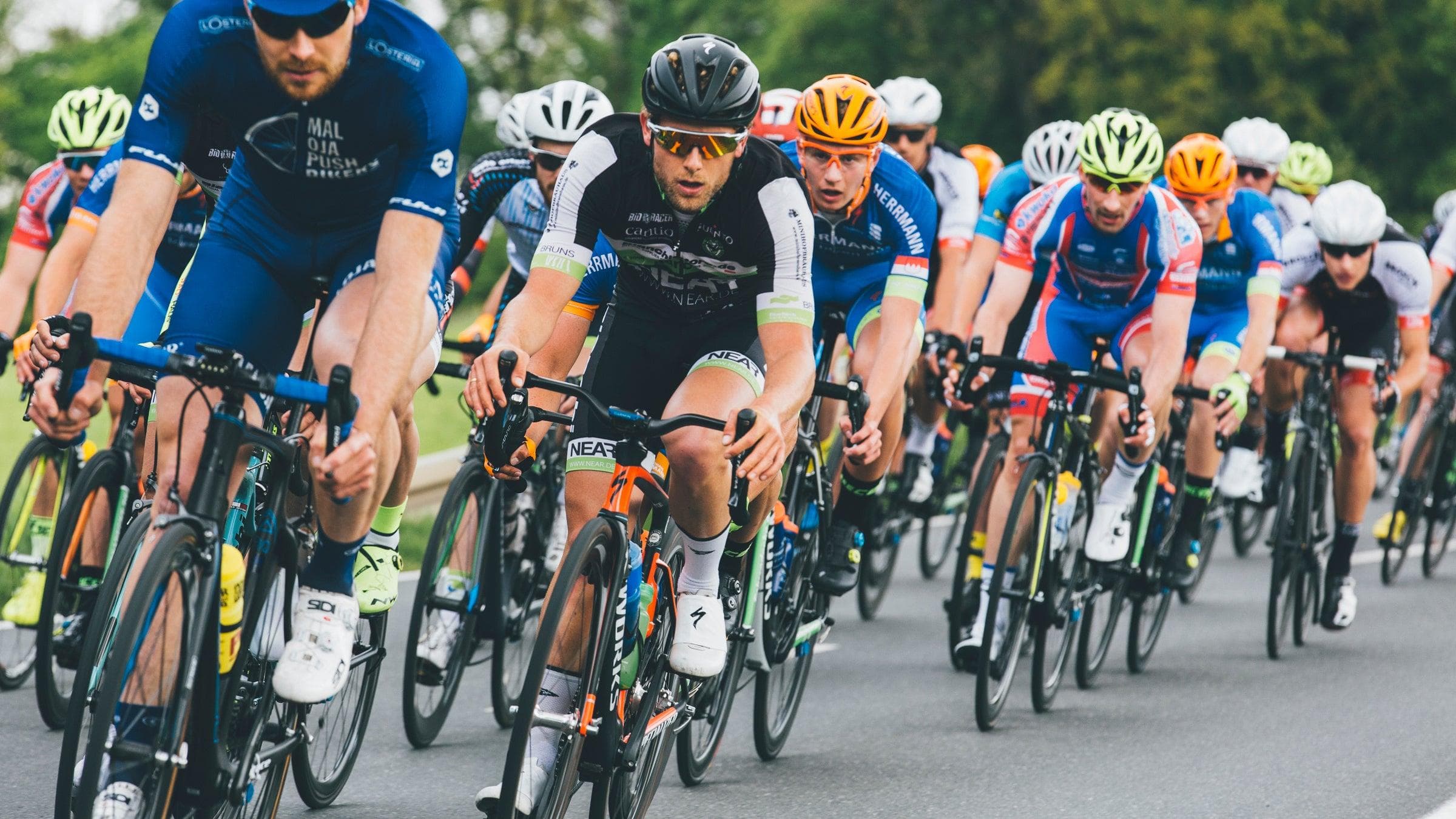
Drafting—riding in the slipstream of another rider—reduces wind resistance and makes group riding more efficient. Understanding it will help you conserve energy and ride more smoothly.
How drafting works
When a rider moves through the air, they create a pocket of lower pressure behind them. Sitting in this slipstream reduces the effort required to maintain speed. Depending on conditions, riders behind can save a significant amount of energy.
Benefits in a group
- Lower energy expenditure at the same speed
- Ability to ride longer distances with less fatigue
- More consistent group pacing
Where to position yourself
The most efficient position is directly behind the rider ahead, with a small, controlled gap. Crosswinds can shift the optimal position slightly to one side, forming an “echelon.”
Rotating through the front
In structured groups, riders take turns at the front, sharing the workload. Keep your pull steady—avoid accelerating when you hit the front—and rotate off smoothly.
Safety considerations
Drafting requires trust and focus. Sudden movements, braking, or inattention can cause crashes. Keep your eyes forward, anticipate changes, and maintain a predictable line.
When not to draft closely
- In wet or slippery conditions
- On unfamiliar roads with frequent hazards
- If you’re fatigued or struggling to hold a line