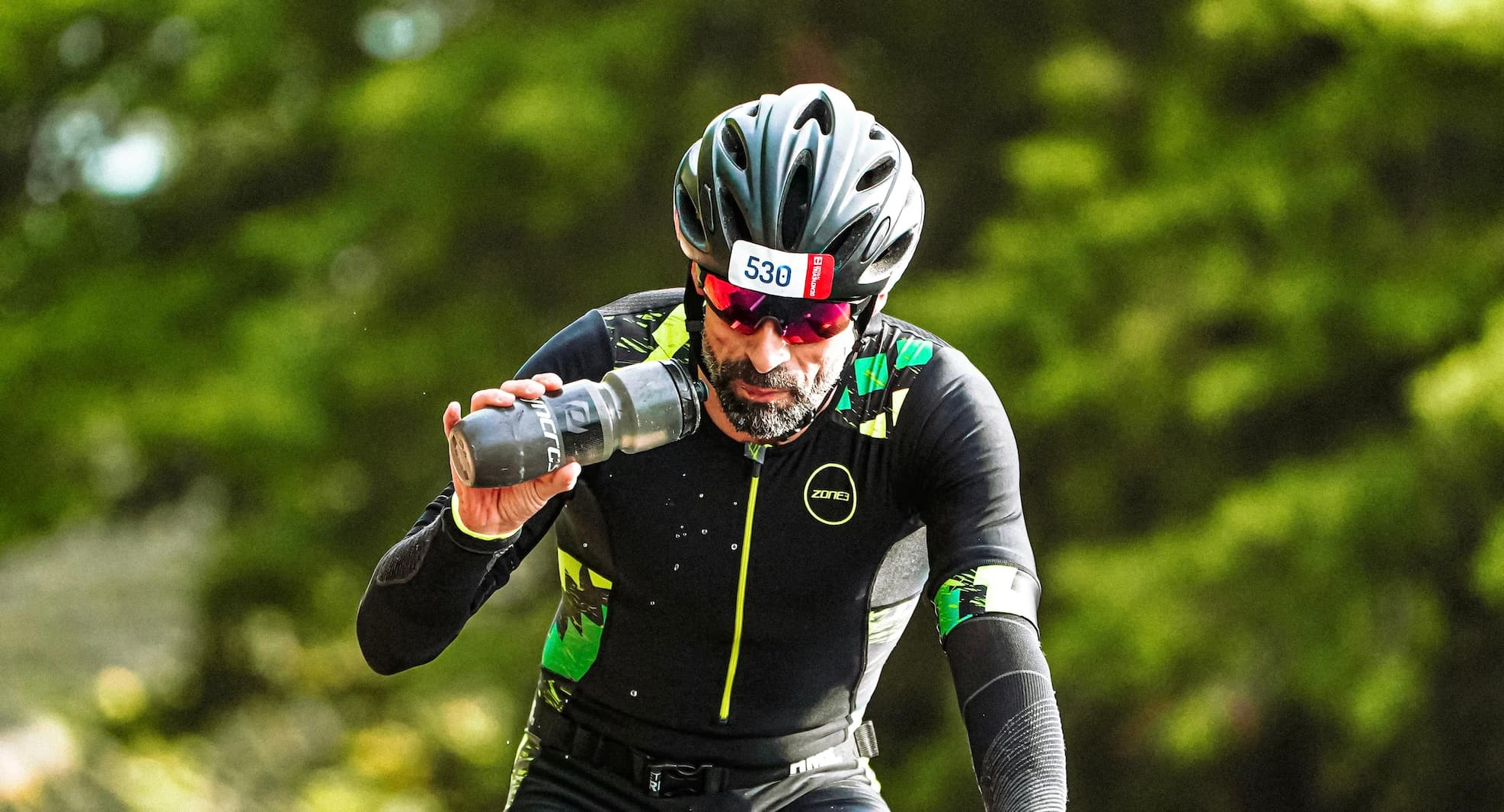
We’ve all seen them: the $4 energy gels and the $60 tubs of "proprietary" hydration mix. If you’re riding four or five days a week, the cost of "standard" cycling nutrition can quickly rival your monthly grocery bill.
But here is the secret the pros (and their sponsors) won’t tell you: your muscles don't care if your glucose comes from a shiny foil packet or a bag of bulk sugar. Carbohydrates are the currency of performance, and you can get them for pennies. Here is how to fuel your rides on a budget without sacrificing power.
DIY Maltodextrin and Fructose Mix
For those who want to get a bit more technical, you can buy raw ingredients in bulk to mimic high-end "super-fuels."
- The Recipe: Aim for a 2:1 ratio of Maltodextrin to Fructose. This specific ratio is widely studied for maximizing carbohydrate oxidation rates. You can buy these at most nutrition stores or online via Amazon.
- The Advantage: Maltodextrin is less sweet than table sugar, which some riders prefer for long 4+ hour days in the saddle.
- The Cost: Even buying these powders separately, you are looking at roughly $0.20 to $0.30 per bottle, compared to $2.50 for a pre-mixed serving.
The "Kitchen Cupboard" Special: Plain Sugar & Salt
If buying bulk maltodextrin still feels like too much effort, look no further than your own pantry. Many riders are surprised to learn that plain table sugar (sucrose) is actually an incredibly effective fuel for high-intensity efforts.
Sucrose is a disaccharide made of 50% glucose and 50% fructose. Because it uses both "pathways" to get into your bloodstream, it is often easier on the stomach at high concentrations than glucose alone.
- The Base: Use roughly 60g to 90g of sugar per 750ml bottle, depending on the intensity of your ride.
- The Electrolytes: Add 1/4 teaspoon of table salt. Sodium is the primary electrolyte lost in sweat; table salt (sodium chloride) helps maintain fluid balance and prevents that "sloshing" feeling in your stomach.
- The Flavor Fix: Plain sugar water can be cloyingly sweet. Adding a squeeze of fresh lemon or a pinch of citric acid is the ultimate pro move. The acidity cuts through the sweetness, making the drink refreshing rather than nauseating when your heart rate is high.
Nature’s Original Energy Gel: Bananas
There is a reason the yellow fruit is a staple at every race feed station. Bananas are easy to digest, come in their own biodegradable wrapper, and provide a solid hit of potassium to help prevent cramping. Buy them in bulk when they are slightly green so they ripen throughout your week. One medium banana provides about 27g of carbohydrates.
DIY Rice Cakes (The Savory Savior)
After two hours of sweet drinks and fruit, something salty and solid is a game-changer for your palate. Most pro teams use homemade rice cakes to keep riders happy.
- Cook Calrose (sticky) rice with slightly more water than usual to keep it moist.
- While hot, mix in a little cream cheese, soy sauce, and bits of cooked bacon or scrambled egg.
- Press into a flat pan, chill overnight, and cut into squares.
- Wrap them in parchment-lined foil for an easy, one-handed snack on the move.
The Grocery Store "Hacks"
You don't need a bike shop to find ride food. The inner aisles of your local supermarket are a goldmine for endurance athletes:
- Fig Newtons: These are essentially energy bars at 1/5th the price. They are soft, easy to chew while breathing hard, and high in glucose.
- Dates: Nature’s candy. Two or three dates offer a massive hit of quick-burning sugar and fiber.
- Jam Sandwiches: White bread (low fiber, easy to digest) with a thick layer of jam is an elite-tier cycling fuel. Squish it flat so it fits easily in your jersey pocket.
Cheap Post-Ride Recovery
Forget the $50 recovery tubs. Science has repeatedly shown that Chocolate Milk is one of the most effective recovery drinks available. It has the ideal 4:1 carbohydrate-to-protein ratio needed to replenish glycogen stores and repair muscle tissue after a hard session. Just ask Lachlan Mortan - you can see him chugging cartons of chocolate milk on his record breaking lap of Australian ride.
Final Thought
Fueling your ride is about consistency, not prestige. Your body needs the grams of carbs, not the fancy branding on the wrapper. By switching to DIY mixes and whole-food alternatives, you can save enough money over a season to actually afford that new wheelset or the bike upgrades you’ve been eyeing. Eat cheap, ride fast!